
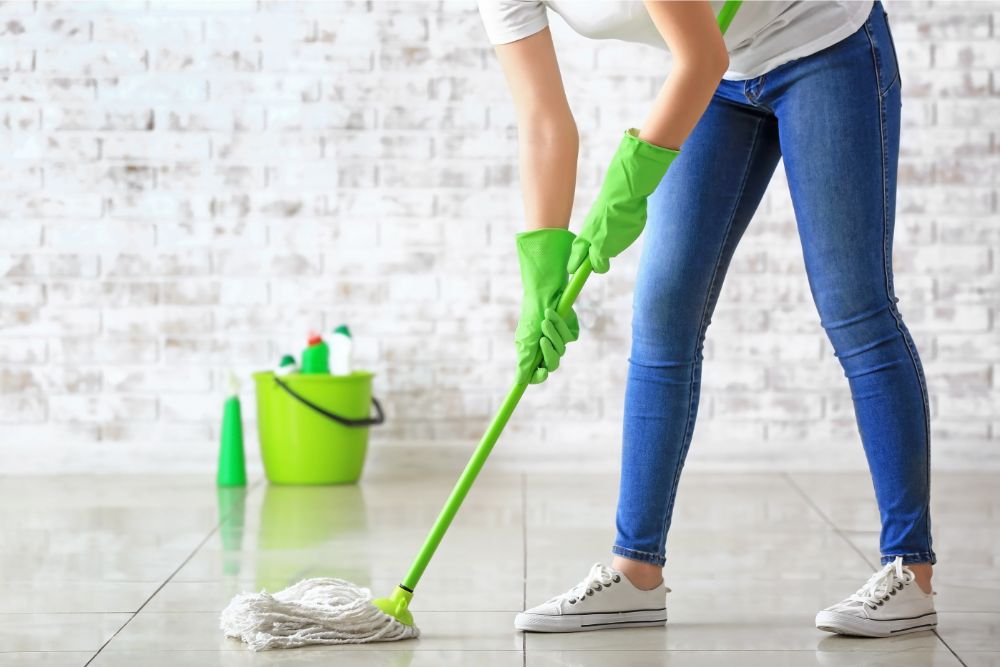

Flooring serves as the visual and functional foundation of any residential or commercial interior. Every day, floor surfaces endure heavy foot traffic, grit accumulation, liquid spills, and furniture friction. Over time, unaddressed dirt and improper cleaning techniques erode protective surface finishes, leading to permanent discoloration, scratching, or structural degradation. Maintaining clean floors requires more than a casual sweep; it demands a clear understanding of material properties, surface finishes, and chemical compatibility.
Developing a systematic approach to floor care protects your investment, enhances indoor environmental air quality, and ensures safety by minimizing slip hazards. This comprehensive guide details the essential strategies, tools, and material-specific maintenance protocols required to keep every surface in optimal condition.
The Foundations of Routine Floor Care
Regardless of the specific material installed in your space, establishing consistent preventative care habits prevents dirt from acting as an abrasive paper that destroys top coatings.
Daily and Weekly Maintenance Protocols
Controlling grit before it spreads across a room remains the single most effective way to preserve floor surfaces.
-
Dry Soil Removal: Sweep or dust mop hard surfaces daily using micro-fiber material to collect fine dust particles without scratching top layers. Vacuum carpeted areas twice weekly using appropriate height settings.
-
Strategic Matting: Place high-quality entrance mats outside and inside every exterior doorway. Double-matting setups trap up to eighty percent of dirt, moisture, and road salts before shoes touch interior flooring.
-
Prompt Moisture Removal: Clean up standing liquid spills immediately using clean, absorbent cloths. Prolonged liquid contact causes wood swell, grout degradation, vinyl adhesive breakdown, and subfloor warping.
Selecting the Right Tools and Equipment
Using incorrect or harsh equipment introduces premature wear and surface hazing.
-
Micro-Fiber Mops: Replace traditional string mops with flat micro-fiber mop systems. Micro-fiber traps micro-particles rather than spreading muddy residue across surface pores.
-
Vacuum Considerations: Deactivate beater bars or brush rollers when vacuuming hard surfaces to prevent plastic or metal components from scratching sensitive finishes.
-
Soft Bristle Brooms: Choose brooms with flagged, synthetic bristles that collect fine dust from narrow joints and grain patterns without harsh scrubbing action.
Material-Specific Cleaning Protocols
Different floor surfaces possess unique physical properties and chemical tolerances. Applying universal cleaning products across varying surface types often results in damaged seals or sticky chemical residues.
Hardwood Flooring Care
Hardwood floors bring natural warmth and architectural character to a home, but timber reacts sensitively to moisture and harsh chemical exposure.
-
Moisture Management: Never use steam mops or traditional saturated wet mops on hardwood. Excessive water penetrates wood seams, leading to cupping, crowning, and surface buckling.
-
Chemical Requirements: Clean with pH-neutral wood floor cleaners specifically formulated to maintain polyurethane or oil finishes. Avoid harsh ammonia, vinegar solutions, and abrasive scrub pads.
-
Protective Measures: Apply felt furniture pads under all chair, table, and cabinet legs. Replace rubber casters on office chairs with soft polyurethane wheels designed for hardwood protection.
Ceramic, Porcelain, and Natural Stone Care
Tiled surfaces offer exceptional durability and water resistance, yet grout lines and porous natural stones require specific handling.
-
Glazed Tile Maintenance: Damp mop glazed ceramic and porcelain tile using a mild neutral detergent mixed with warm water. Change mop water frequently to prevent suspended dirt from setting back into porous grout lines.
-
Grout Protection: Apply a high-grade penetrating grout sealer every twelve to eighteen months to prevent oils, dirty water, and food spills from staining cementitious joints.
-
Natural Stone Cautions: Marble, limestone, slate, and travertine react negatively to acidic substances. Never apply vinegar, lemon juice, or citrus-based cleaners to natural stone, as acid dissolves calcium carbonate, causing permanent surface etching.
Luxury Vinyl Plank and Laminate Care
Engineered surfaces like luxury vinyl plank (LVP) and laminate provide high durability and water resistance, but improper cleaning degrades their protective wear layers.
-
Laminate Limitations: Moisture control is essential for laminate floors. Water penetrating unsealed joints causes particleboard cores to swell, lift, and chip along edges. Clean laminate using damp micro-fiber mops only.
-
Vinyl Best Practices: Modern LVP withstands water well, but high-pH strippers or abrasive scrubbers can strip the protective wear layer and dim initial sheen levels.
-
Abrasive Prevention: Avoid using floor wax or shine-restoring polishes on modern vinyl planks, as these products form sticky layers that attract soil and create cloudy film buildups.
Wall-to-Wall Carpeting Maintenance
Carpeting acts as a soft air filter, trapping dust, pet dander, and allergen particles within its pile matrix.
-
Deep Vacuuming: Move the vacuum slow and steady over high-traffic carpet zones, executing four to six passes over dense areas to pull ground-in dirt from pile bases.
-
Professional Extraction: Schedule professional hot water extraction or deep steam cleaning every twelve to eighteen months to remove deeply embedded oil residues and embedded particles.
-
Spot Treatment Rules: Blot liquid spills instantly using clean white towels. Never scrub carpet stains vigorously, as friction damages fabric fibers, creating fuzzy or frayed patches.
Restorative Care and Preventive Protection
Even well-maintained surfaces experience subtle wear over long periods. Implementing periodic restorative care revitalizes surface finishes and extends core longevity.
Surface Screen and Recoat Techniques
Hardwood floors that exhibit superficial scratches or dullness without structural plank damage do not require full sanding back to bare wood. A process known as screening lightly scuffs the existing clear topcoat before applying a fresh layer of polyurethane finish. Performing a screen and recoat every few years preserves structural wood thickness while restoring factory sheen.
Stripping and Resealing Commercial Surfaces
Vinyl composition tile (VCT) and high-traffic stone installations rely on sacrificial finish coats to absorb foot traffic wear. Over time, old finish layers turn yellow and trap embedded dirt. Applying chemical strippers dissolves the old acrylic layers, leaving a pristine base that accepts new coats of floor sealer and high-gloss polish.
Frequently Asked Questions
Why does a sticky film remain on floors after mopping with liquid cleaners?
A sticky film usually indicates that too much floor cleaning concentrate was mixed into the water bucket, or that detergent residue was not rinsed off. When liquid cleaners dry on surfaces without being wiped away or rinsed with clean water, the leftover soap attracts dirt and leaves a tacky surface finish.
Can vinegar and water solutions be safely used on every hard floor surface?
No, white vinegar contains acetic acid, which permanently etches natural stone surfaces like marble, limestone, and travertine. Frequent use of acidic solutions also dulls the protective polyurethane coats on hardwood floors over time and breaks down grout lines.
How often should felt floor protectors under furniture legs be replaced?
Felt floor protectors should be inspected every three to six months and replaced whenever they become thin, flattened, or embedded with small sand grains. Damaged or dirt-filled felt pads act like sandpaper, scraping floors whenever chairs or tables are moved.
What causes laminate floor planks to peak or buckle along seam lines?
Laminate planks peak along seams primarily due to excess moisture penetration or a lack of expansion space around room perimeters during installation. When high humidity or liquid spills cause boards to swell without room to expand, the edges push up against one another.
How can pet urine stains and lingering odors be removed from hardwood flooring?
Fresh pet urine should be blotted up immediately, followed by cleaning with an enzymatic cleaner designed for wood surfaces to digest uric acid crystals. If the urine has soaked deep into the wood grain turning it dark black, the affected area usually requires professional sanding, bleaching with oxalic acid, or plank replacement.
Is it safe to use steam mops on luxury vinyl plank flooring?
Most luxury vinyl plank manufacturers advise against using steam mops because extreme heat combined with pressurized moisture can weaken the vinyl adhesive, warp individual planks, and cause layer separation in the wear structure.
How do you eliminate dark grout lines on tiled floors without using bleach?
Dark grout lines can be restored by applying a paste of baking soda and water, spraying it lightly with hydrogen peroxide, and scrubbing gently with a stiff nylon grout brush. Once the embedded soil releases, wipe the area thoroughly with clean warm water and apply a penetrating sealer once dry.
Comments are closed.