
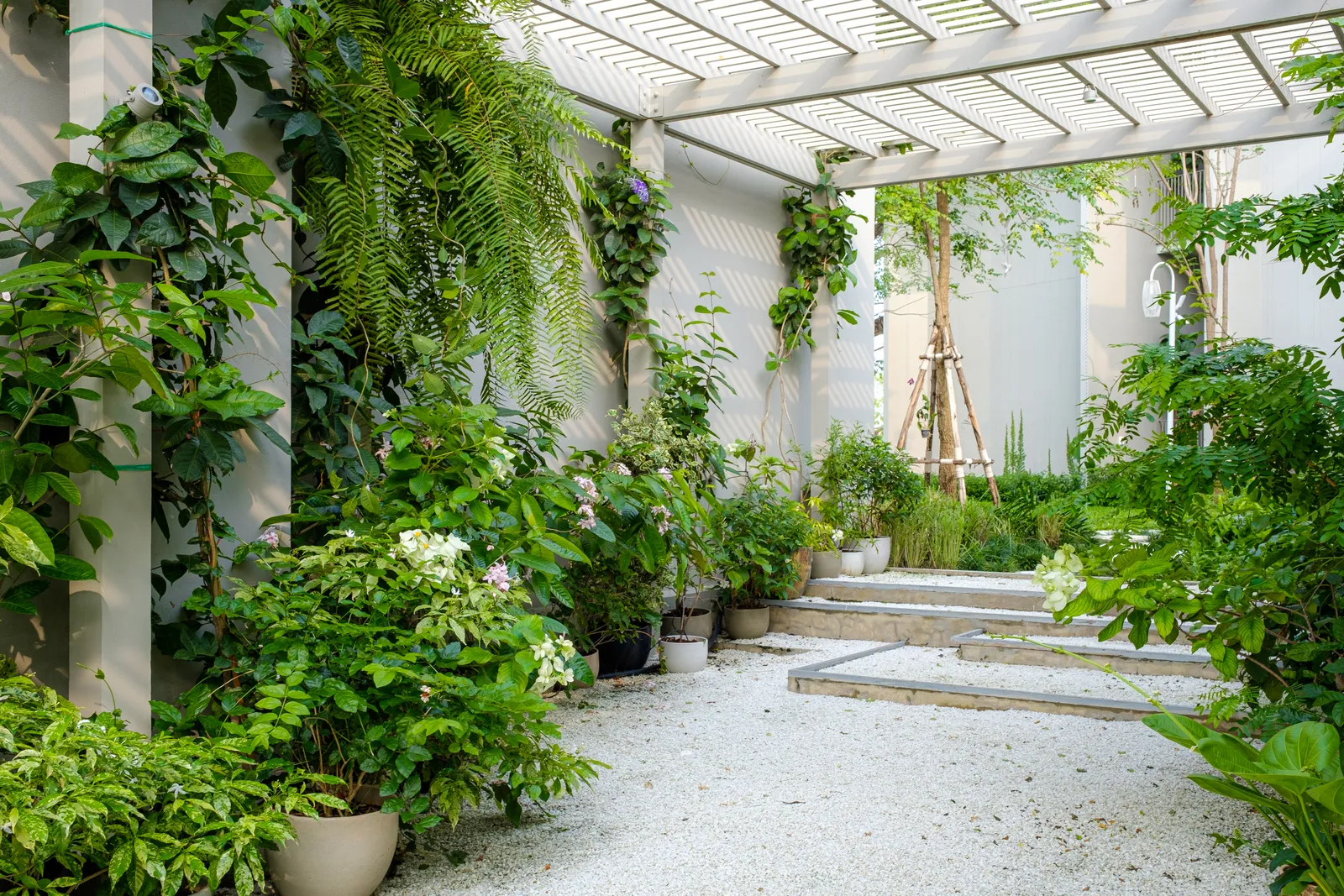

Gardening in the shade often gets an undeserved reputation as a frustrating endeavor. Many homeowners look at a shadowy yard beneath a canopy of mature trees or beside a tall structure and see a landscape design problem. However, shade gardening is actually an opportunity to cultivate some of the most subtle, elegant, and foliage-rich plants in the botanical world. Unlike sun-drenched beds that require constant irrigation and scorch during mid-summer heat spikes, shade gardens provide a cool, moisture-retentive sanctuary where delicate textures, intricate leaf patterns, and delicate blooms can flourish.
To create a flourishing shade garden, you need to understand the distinct qualities of shade, choose species suited to low-light conditions, and manage soil nutrition effectively. This guide walks you through every step of planning, planting, and maintaining a shade garden, highlighting top-performing plant species for various light levels.
Understanding the Spectrum of Shade
Not all shade is created equal. Before selecting plants, monitor your garden throughout the day to evaluate the precise amount and quality of light your space receives.
-
Light or Dappled Shade: This condition occurs under trees with open, delicate leaf canopies like honey locusts or birch trees. Sunlight filters through intermittently, providing moving patches of light throughout the day. Most shade-tolerant plants thrive effortlessly here.
-
Partial Shade: Areas receiving direct sun for three to six hours daily, usually in the early morning or late afternoon, fall into this category. Morning sun paired with afternoon shade is ideal for delicate perennials that cannot tolerate harsh midday heat.
-
Full Shade: Spaces receiving less than three hours of direct sunlight per day, or only diffuse reflected light, qualify as full shade. Sites beneath dense evergreen trees or inside narrow building corridors are classic examples.
-
Deep or Dense Shade: Areas under low-hanging dense canopies or structural overhangs receive almost no direct or reflected light. Growing options here are limited, making soil preparation and moisture control critical.
Preparing Soil in Shaded Environments
Shade created by mature trees presents a hidden challenge: root competition. Tree roots draw immense amounts of water and soil nutrients, often leaving surrounding ground dry and depleted.
-
Test Soil Moisture: Dig into the soil to check whether you are dealing with dry shade or damp shade. Dry shade requires drought-tolerant woodland plants, whereas damp shade supports moisture-loving perennials.
-
Incorporate Organic Matter: Layer two to three inches of rich compost or well-rotted leaf mold over the planting area. Work it gently into the top layer of soil without damaging major tree roots.
-
Avoid Over-Raising the Soil Level: Adding more than two or three inches of soil over existing tree roots can suffocate the tree. Work within the natural contours of the ground whenever possible.
-
Mulch Generously: Apply a two-inch layer of shredded bark mulch or decomposed leaves to lock in moisture, suppress weeds, and moderate soil temperatures.
Exceptional Perennials for Foliage and Texture
Foliage takes center stage in low-light environments. Relying on varied leaf shapes, heights, and color shades ensures your garden remains striking even when plants are not in bloom.
Hostas
Hostas serve as the foundation of many shade gardens. Available in miniature varieties only a few inches wide to giant cultivars spanning over six feet across, hostas offer foliage ranging from deep blue-green and chartreuse to variegated white and yellow. They prefer moisture-rich soil and dappled to partial shade.
Ferns
Ferns bring airy, delicate architecture to low-light beds. Native choices like the Ostrich Fern provide significant height, while the Japanese Painted Fern introduces silvery-blue fronds with burgundy veins. Most ferns prefer damp, humus-rich soil and thrive in deep shade where other plants struggle.
Coral Bells (Heuchera)
Grown primarily for their vibrant foliage, Coral Bells offer leaves in shades of deep plum, copper, amber, and vibrant lime green. They perform best in partial shade with well-draining soil, sending up delicate wand-like flowers in late spring that attract pollinators.
Solomon’s Seal
Featuring arching stems adorned with ribbed green leaves and dangling white bell flowers in spring, Solomon’s Seal brings elegant height to background plantings. The variegated form, featuring crisp white leaf margins, lights up dark garden corners effortlessly.
Top Flowering Plants for Low Light
While foliage provides year-round structure, flowering shade perennials deliver seasonal color and interest.
-
Bleeding Heart (Dicentra spectabilis): A timeless favorite featuring arching stems laden with heart-shaped pink or white blossoms in mid to late spring.
-
Astilbe: Known for feather-like plumes in shades of crimson, blush pink, rose, and white. Astilbes require consistently moist soil and perform exceptionally well near water features or damp woodland edges.
-
Lenten Rose (Helleborus): Among the earliest perennials to bloom, Hellebores push through cold soil in late winter to early spring. Their cup-shaped blooms range from creamy white and pale green to deep purple and slate gray.
-
Foamflower (Tiarella): A native woodland groundcover producing bottle-brush spikes of starry white or pale pink blossoms above heart-shaped foliage marked with deep bronze centers.
-
Toad Lily (Tricyrtis): Late-season bloomers that produce intricate, orchid-like speckled flowers along tall stems in late summer and autumn when most other shade plants have finished flowering.
Groundcovers for Dense Shade
Bare ground in shaded areas can quickly erode or yield to opportunistic weeds. Establishing robust shade groundcovers creates a green carpet that knits the landscape together.
-
Wild Ginger (Asarum canadense): A native groundcover featuring glossy, heart-shaped or kidney-shaped leaves that form a low, dense mat across moist, shaded ground.
-
Sweet Woodruff (Galium odoratum): Produces whorled, fragrant foliage topped with tiny white star flowers in spring. It spreads steadily to form a lush ground cover under deciduous shrubs.
-
Barrenwort (Epimedium): Exceptionally tough perennials that tolerate dry shade once established. Epimediums feature heart-shaped leaves that turn bronze in autumn and delicate flowers in early spring.
-
Creeping Dogwood (Cornus canadensis): A low-growing native option that prefers cool, acidic, moist soils, producing white dogwood-style blossoms followed by bright red berries.
Designing a Dynamic Shade Layout
Creating a visually compelling shade garden requires layering different plant forms and leaf surfaces deliberately.
-
Establish the Background: Place tall ferns, Solomon’s Seal, or large hosta varieties toward the back of borders or near tree trunks to build structure.
-
Layer the Middle Ground: Group medium-sized flowering perennials like Astilbe, Bleeding Heart, and Hellebores in odd-numbered clusters to create flowing color sweeps.
-
Detail the Edges: Border pathways and garden edges with low-growing foliage plants like Coral Bells, small hostas, and groundcovers.
-
Contrast Texture and Color: Pair fine, feathery fronds of ferns alongside broad, smooth hosta leaves. Set deep purple foliage next to bright chartreuse leaves to make shaded spots pop visually without relying solely on flowers.
Frequently Asked Questions
Can fruit trees or edible vegetables grow successfully in full shade?
Most fruiting plants and root vegetables require at least six hours of direct sun daily to produce well. However, leafy greens such as spinach, kale, lettuce, Swiss chard, and certain herbs like parsley and mint can tolerate partial shade, provided they receive three to four hours of light.
How often should a shade garden be watered compared to a sunny garden?
Shade gardens generally evaporate water slower than sunny beds, meaning soil stays moist longer. However, shade beds located beneath large trees face intense root competition and may dry out quickly. Check soil moisture manually two inches deep; water deeply whenever the soil feels dry to the touch.
What are the best methods to protect hostas in shade beds from slug damage?
Slugs thrive in damp, shady conditions and frequently feed on hosta foliage. You can minimize damage by spreading coarse crushed eggshells or diatomaceous earth around the base of plants, using copper tape barriers, or applying organic iron phosphate slug bait early in the spring season.
Do shade plants require specialized fertilizers?
Shade plants generally require lower amounts of fertilizer compared to fast-growing full-sun annuals. Top-dressing beds annually with organic compost or applying a balanced, slow-release organic fertilizer in early spring usually provides all the necessary nutrients without causing leggy growth.
How do I manage lawn grass that refuses to grow under deep tree shade?
Standard turf grass varieties require substantial direct sunlight to perform well. Instead of struggling to maintain grass under dense canopies, replace struggling turf with shade-adapted groundcovers, broadleaf woodland perennials, or a neatly edged bed of organic wood mulch.
Can evergreen shrubs thrive in heavy shade environments?
Yes, several broadleaf evergreen shrubs do exceptionally well in shaded locations. Boxwoods, Yews, Mountain Laurel, Japanese Andromeda, and many Rhododendron species maintain dense evergreen foliage and structural interest in partial to deep shade settings.
Comments are closed.