
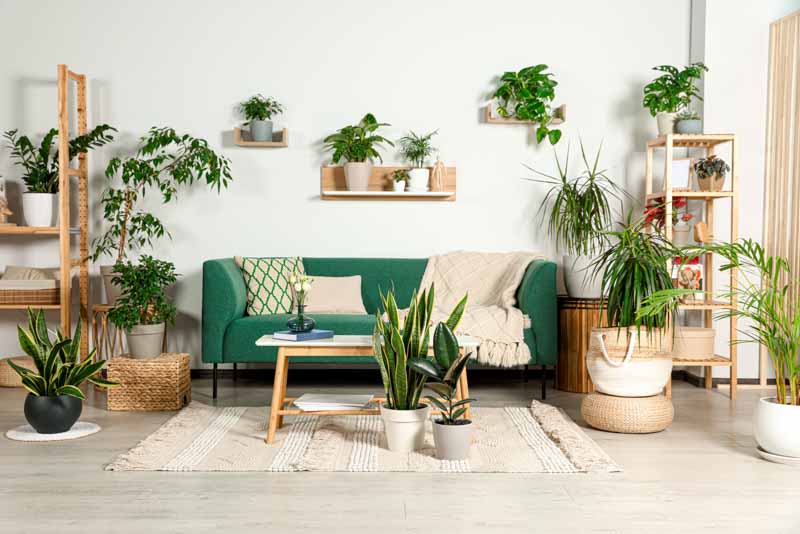

Bringing living greenery into your residential space transforms how a home looks and feels. Houseplants do far more than fill empty corners; they introduce organic texture, soften hard architectural lines, and improve overall atmospheric quality. However, achieving a lush, well-designed indoor garden requires more than picking up attractive foliage from a local garden center. Successful plant integration depends on matching the biological requirements of specific species with the unique environmental conditions of your living area, followed by thoughtful aesthetic choices.
Understanding how to select the right varieties for your specific lighting, layout, and lifestyle ensures your green companions thrive rather than merely survive. Paired with professional interior styling techniques, houseplants can elevate your decor into a cohesive, vibrant sanctuary.
Evaluating Your Indoor Environment Before Buying
Before purchasing any indoor plant, you must assess the environment where it will reside. Plants depend on specific balances of light, ambient temperature, and atmospheric humidity to perform photosynthesis and maintain metabolic health.
Assessing Natural Light Levels
Light is the single most critical factor determining houseplant longevity. Evaluating the strength and duration of sun exposure across your rooms helps prevent leaf scorching or weak, leggy growth.
-
Bright Direct Light: Unobstructed south- or west-facing windows receive intense sun rays for several hours daily. This environment suits desert cacti, succulents, bird of paradise, and citrus varieties.
-
Bright Indirect Light: Areas located a few feet back from south- or west-facing windows, or directly in front of unshaded east-facing windows, receive filtered illumination. Most popular tropical foliage plants prefer this balanced exposure.
-
Medium or Filtered Light: Spaces near north-facing windows or set several feet inside a brightly lit room offer soft, consistent light without direct rays. Plants like philodendrons, pothos, and dracaenas adapt well to these settings.
-
Low Light: Interior hallways, windowless bathrooms, or rooms shaded by exterior structures receive minimal natural rays. Hardy species such as snake plants, cast iron plants, and ZZ plants tolerate these subdued conditions.
Factoring in Humidity and Air Circulation
Modern heating and cooling systems often strip moisture from indoor air, creating arid environments that can cause brown leaf tips or moisture loss in sensitive species.
-
High-Humidity Zones: Kitchens and bathrooms naturally accumulate moisture from sink usage and showers, making them ideal environments for ferns, calatheas, and fittonias.
-
Dry Ambient Zones: Bedrooms and living rooms equipped with central HVAC units require drought-tolerant species or artificial humidity support, such as routine misting, pebble trays, or dedicated humidifiers.
-
Draft Considerations: Keep delicate foliage away from direct airflow streams produced by exterior doors, air conditioning vents, and radiators, as rapid temperature fluctuations cause thermal stress.
How to Select the Right Houseplants for Each Space
Matching plant species to your personal routine and spatial constraints prevents unnecessary maintenance frustration and plant decline.
Low-Maintenance Choices for Busy Lifestyles
If your schedule involves frequent travel or limited free time, select resilient varieties that store water effectively and tolerate occasional under-watering.
-
Snake Plant (Sansevieria): Characterized by stiff, upright sword-like leaves, this species thrives in virtually any lighting condition and requires sparse watering every three to four weeks.
-
ZZ Plant (Zamioculcas zamiifolia): Featuring glossy, waxy foliage that reflects light, the ZZ plant stores moisture in rhizomes beneath the soil, making it exceptionally drought-resistant.
-
Pothos (Epipremnum aureum): Known for heart-shaped leaves and trailing vines, pothos grows quickly, tolerates varied lighting, and clearly signals thirst by slightly wilting before bouncing back after watering.
Statement Specimen Plants for Larger Rooms
Large-scale indoor trees and structural plants act as living furniture pieces, anchoring open-concept layouts and filling tall ceiling volumes.
-
Fiddle Leaf Fig (Ficus lyrata): Recognized by broad, violin-shaped leaves, this popular tree demands consistent bright, indirect light and stable placement to prevent leaf shedding.
-
Monstera Deliciosa: Known as the Swiss cheese plant due to natural leaf splits, this fast-growing tropical plant creates dramatic visual impact in living areas.
-
Rubber Tree (Ficus elastica): Boasting thick, dark green or variegated burgundy foliage, rubber trees offer a sturdy vertical form that commands visual attention.
Pet-Safe Foliage Selections
If you share your home with curious dogs or cats, prioritize non-toxic species to ensure pet safety without sacrificing greenery.
-
Peperomia: Available in numerous leaf textures and colors, peperomias remain compact and completely safe for domestic animals.
-
Spider Plant (Chlorophytum comosum): Featuring arching grassy leaves, spider plants produce dangling plantlets and tolerate minor neglect.
-
Parlor Palm (Chamaedorea elegans): This slow-growing palm offers classic elegant fronds that are gentle and harmless to inquisitive pets.
Principles of Design: Styling Houseplants Like an Interior Designer
Integrating plants into your decor goes beyond setting a pot on a table. Applying fundamental design principles creates balanced visual compositions throughout your home.
Playing with Scale and Proportion
Proportion establishes harmony between your green elements, existing furniture, and room dimensions.
-
Floor Specimens: Reserve tall, broad-leaf plants for open floor areas alongside heavy furniture pieces like sofas, armoires, or credenzas.
-
Tabletop Accents: Place small to medium foliage in decorative pots on coffee tables, bookshelves, or sideboards to serve as refined accents.
-
Vertical Balance: Balance high ceilings by placing tall specimens alongside floating shelves or low-profile seating arrangements.
Creating Depth Through Elevation and Grouping
Arranging plants at varying heights draws the eye across a room, preventing flat, monotonous displays.
-
The Rule of Threes: Group plants in odd-numbered clusters (typically three or five) to create natural visual rhythm.
-
Varying Textures: Combine contrasting leaf forms within a single cluster—such as pairing a smooth, broad monstera leaf with a feathery fern and a trailing ivy.
-
Utilizing Plant Stands: Lift medium-sized pots off the ground using wood, metal, or ceramic plant stands to add structural interest and optimize light exposure.
-
Hanging Planters: Install ceiling hooks or wall brackets to cascade trailing vines down from upper vertical space, framing doors or windows.
Container Selection and Material Palette
Pots and planters serve as the bridge between living foliage and your interior design style.
-
Terracotta: Classic unglazed clay pots provide warm earthy tones and breathable walls that prevent root moisture retention, making them ideal for cacti and succulents.
-
Glazed Ceramic: Available in endless colors and finishes, ceramic containers complement modern, bohemian, or traditional interiors while retaining soil moisture.
-
Woven Baskets: Using natural seagrass or jute baskets as outer planter covers adds organic texture and conceals basic nursery pots effortlessly.
-
Concrete and Stone: Heavy, matte-finished concrete containers fit seamlessly into minimalist, industrial, or contemporary room settings.
Essential Post-Purchase Care and Maintenance
Maintaining healthy indoor foliage requires consistent observation and simple routine care techniques.
Proper Watering Habits
Overwatering remains the primary cause of houseplant failure. Always check soil moisture levels deep near the roots rather than relying on surface appearance. Insert your finger two inches into the potting medium; if it feels dry, apply water thoroughly until it drains from the bottom holes. Never allow containers to sit in standing water trays, as saturated roots rapidly suffer from fungal rot.
Foliage Cleaning and Pest Prevention
Dust accumulation on leaf surfaces blocks light absorption and reduces photosynthetic efficiency. Wipe broad leaves regularly with a damp micro-fiber cloth to maintain clean, bright surfaces. Inspect the undersides of leaves and leaf joints periodically for common pests like spider mites, mealybugs, or scale, addressing minor infestations early with insecticidal soap or neem oil treatments.
Frequently Asked Questions
How do you properly clean dust off large houseplant leaves without damaging them?
Use a soft, damp microfiber cloth dampened with lukewarm water to gently wipe each leaf from the stem outward while supporting the leaf underside with your free hand. Avoid commercial leaf-shine products, as synthetic oils can clog leaf pores and impede plant breathing.
What are the signs of root rot, and how can a plant be saved from it?
Signs of root rot include yellowing leaves, soft stems, foul-smelling wet soil, and stunted growth despite regular watering. To attempt recovery, remove the plant from its container, trim away mushy, black, or decayed roots using sanitized shears, and repot the specimen into fresh, well-draining soil inside a sanitized pot with adequate drainage holes.
How do seasonal changes in winter affect indoor watering schedules?
During winter months, indoor houseplants experience shorter days and cooler temperatures, causing their growth rate to slow down significantly. As a result, plants consume less water, requiring you to reduce watering frequency by roughly half compared to spring and summer schedules.
Is it necessary to use distilled water instead of tap water for sensitive indoor plants?
Certain sensitive foliage varieties, such as calatheas, marantas, and carnivorous plants, react poorly to minerals, fluoride, and chlorine commonly present in municipal tap water, displaying brown crisp edges. Using distilled, filtered, or harvested rainwater prevents mineral buildup in soil and leaf tip burn on sensitive species.
How often should houseplants be repotted into larger containers?
Most average indoor plants require repotting every one to two years, ideally during early spring when active growth resumes. Key indications that a plant needs a larger container include roots growing out through drainage holes, soil drying out unusually fast, or roots wrapping tightly around the soil ball.
Can artificial grow lights completely replace natural sunlight for indoor houseplants?
Full-spectrum LED grow lights can effectively replace natural sunlight by providing the specific red and blue light wavelengths necessary for photosynthesis. Position grow lights 12 to 24 inches above foliage and run them on a daily timer for 12 to 16 hours to support healthy indoor plant growth in dark rooms.
How do you safely move indoor plants during a home relocation without causing shock?
Protect plants during moves by wrapping foliage loosely in breathable paper or cloth, securing pots inside sturdy boxes to prevent tipping, and maintaining consistent ambient temperatures during transit. Avoid exposing plants to extreme outdoor cold or leaving them in hot vehicles, and water them lightly upon arrival at your new residence.
Comments are closed.