
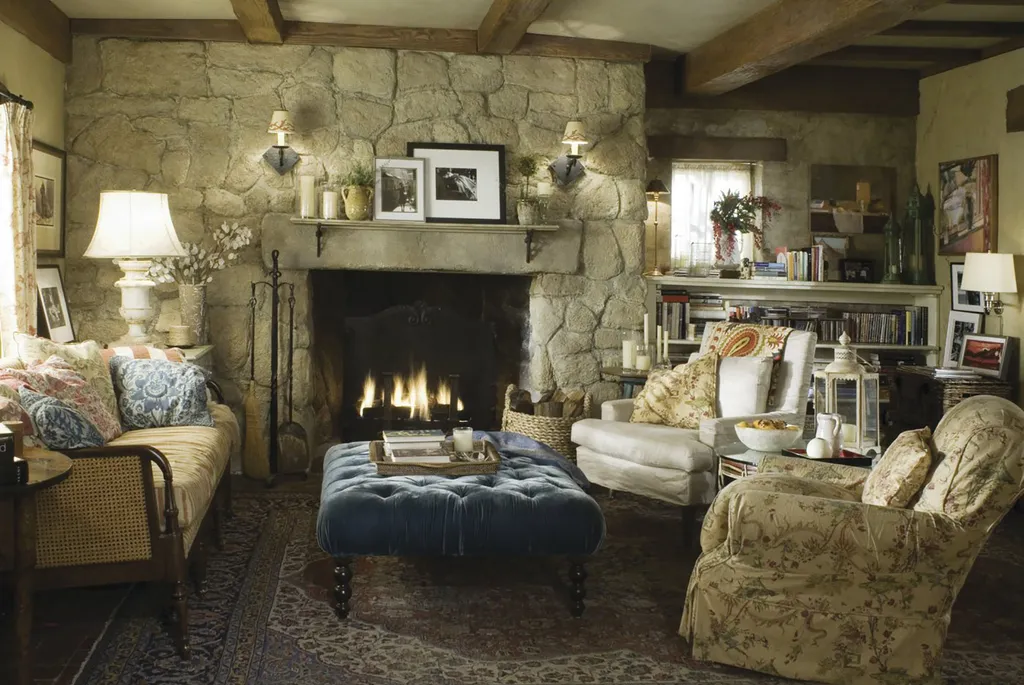

Incorporating vintage elements into modern interior design transforms a space from a standard showroom replica into a personal, character-rich sanctuary. Vintage decor brings history, tactile warmth, craftsmanship, and sustainability into residential spaces. Unlike mass-produced modern furniture, vintage pieces carry patina and stories that give a home an authentic sense of identity. Mastering the art of integrating vintage decor requires two distinct skill sets: knowing where and how to source high-quality items, and knowing how to style them so your home feels curated rather than cluttered.
The Essentials of Sourcing Vintage Decor
Finding exceptional vintage pieces requires patience, research, and an understanding of different sales channels. The term vintage generally applies to items that are at least twenty years old, whereas antiques are items older than one hundred years. Both categories offer incredible opportunities for interior styling.
Local Brick-and-Mortar Outlets
Physical shopping environments allow you to inspect construction, verify materials, and feel the weight and texture of an object before purchasing.
-
Estate Sales: Estate sales offer some of the best opportunities for finding cohesive collections of vintage homewares. Because these sales liquidate the entire contents of a residence, you can find everything from large furniture pieces to fine art, glassware, and textiles. Arrive early on the first day for the best selection, or visit on the final day when prices are usually discounted by fifty percent or more.
-
Flea Markets and Swap Meets: Flea markets are ideal for eclectic treasure hunting. Vendors at these venues often mix curated collections with raw inventory. Bring cash, a tape measure, and a open mind. Look past dust, minor scratches, or tarnished hardware, as these flaws are often easily restored.
-
Antique Malls and Co-ops: These spaces house booths from multiple independent dealers under one roof. While prices are typically higher than at thrift stores, the items are pre-curated, clean, and often tagged with historical details regarding origin and provenance.
-
Thrift Shops and Architectural Salvage: Thrift stores require consistent visits to yield results, but they offer the lowest price points. Architectural salvage yards specialize in structural elements such as reclaimed wood mantels, brass door hardware, stained glass windows, and industrial lighting fixtures.
Online Platforms and Digital Sourcing
Digital marketplaces broaden your search globally, allowing you to track down highly specific design movements or specific designers.
-
Dedicated Vintage Marketplaces: Platforms like Chairish, 1stDibs, and Etsy connect buyers with professional curators and independent sellers. These platforms offer robust buyer protection and detailed condition reports, making them ideal for investment pieces.
-
Peer-to-Peer Local Listing Sites: Platforms such as Facebook Marketplace and Craigslist are excellent for local pickup of larger furniture items, eliminating heavy shipping costs. Set up alerts for specific keywords like mid-century, travertine, walnut, or art deco to catch fresh listings quickly.
-
Online Auction Houses: LiveAuctioneers and Invaluable grant access to regional and national auction houses. Buying through auction requires researching shipping costs beforehand and carefully reviewing condition reports, but it often yields high-end pieces below retail market value.
How to Evaluate Quality and Authenticity
When evaluating potential purchases, examine the construction methods rather than focusing solely on aesthetic appeal. Look for solid wood construction, dovetail drawer joints, tongue-and-groove joinery, and heavy brass or iron hardware. Veneer is common in mid-century furniture, but ensure it is not peeling or missing large sections, as veneer repair requires specialized skill. Check upholstered items for frame stability; re-covering a sturdy vintage sofa is worth the investment, but replacing a warped wooden frame is rarely cost-effective.
Principles of Styling Vintage Decor
Sourcing great objects is only half the process; styling determines whether those objects elevate your space or overwhelm it. Successful vintage styling blends historical character with modern functionality.
Balancing Eras and Contrast
A common design mistake is creating a period-accurate time capsule room. A living room filled strictly with 1960s furniture can feel like a movie set rather than a liveable modern home. Instead, aim for a layered design that bridges different historical movements with contemporary elements.
-
The 80/20 Rule: A reliable formula is dedicating eighty percent of a room to a foundational style (such as modern or classic minimalist) and twenty percent to accent vintage pieces. This contrast makes the vintage items stand out as artistic highlights.
-
Mixing Materials: Combine cold modern surfaces like glass, chrome, and quartz with warm vintage textures like aged oak, patinated leather, brass, and hand-woven wool.
-
Contrasting Lines: Pair sleek modern sofas with organic, carved vintage coffee tables, or set an ornate gilt-framed antique mirror above a clean-lined modern console.
Scale, Proportion, and Focal Points
Vintage furniture often has different dimensions than modern furniture. Mid-century modern pieces tend to sit lower to the ground, while Victorian or armoire pieces can be massive and tall.
-
Measure Key Surfaces: Before placing a large vintage piece in a room, verify clearance around doorways and walk paths. Measure ceiling heights, particularly for vintage armoires or tall floor lamps.
-
Establish Anchor Pieces: Select one or two dominant vintage items per room to act as anchors. A large mid-century sideboard or a vintage Persian rug can serve as the primary focal point.
-
Group Smaller Objects: Avoid scattering small vintage knick-knacks individually across every available surface, which causes visual clutter. Instead, group small objects in odd-numbered clusters (such as three or five items) on trays, bookshelves, or mantelpieces, varying their heights and textures.
Palette and Texture Integration
Color and texture tie disparate historical periods into a unified aesthetic.
-
Unifying Color Schemes: Pull colors from a multi-colored vintage item, such as an oriental rug or an oil painting, and repeat those accent colors across modern textiles like throw pillows, curtains, and wall paint.
-
Embrace Natural Patina: Do not attempt to polish away all age markers. The soft wear on leather chairs, the oxidation on copper vessels, and the light crazing on vintage ceramics provide tactile warmth that cannot be replicated artificially.
Frequently Asked Questions
How do you eliminate lingering odors from vintage wooden furniture or textiles?
To remove musty smells from wood drawers, clean them with a balanced solution of white vinegar and water, then place the drawers outside in indirect sunlight to dry fully. Placing activated charcoal bags or bowl containers of baking soda inside cabinet compartments for several days also absorbs stubborn trapped odors. For washable vintage textiles, soak them in cold water mixed with baking soda before performing a gentle hand wash.
What are the best ways to clean and restore tarnished vintage brass without damaging its value?
First, determine if the brass is solid or plated by applying a small magnet. If the magnet sticks, the item is brass-plated steel, which requires gentle cleaning with warm soapy water to avoid stripping the thin plating. If the magnet does not stick, it is solid brass. Clean solid brass with a soft microfiber cloth and a mild paste made of lemon juice and baking soda, avoiding harsh chemical cleaners that completely strip away desirable historical patina.
How can you distinguish real solid wood vintage furniture from wood veneer or synthetic materials?
Examine the back and underside of the furniture piece, as well as the edges of drawer faces. Solid wood displays continuous grain patterns that wrap seamlessly around edges and across corners. Veneer features a thin layer of real wood glued over engineered core material, visible along top or side seams. Synthetic laminates present repeating grain patterns with a smooth, plastic-like feel and lack natural wood texture or minor imperfections.
Which tools and supplies should you bring when shopping at physical vintage markets?
Always carry a flexible tape measure, a small notepad with your home space dimensions, a flashlight to inspect dark cabinet interiors or undersides, a small magnet to test metals, cash in various denominations for easier price negotiation, and moving blankets or bubble wrap to protect fragile purchases during transit in your vehicle.
Is it acceptable to paint or alter vintage furniture pieces?
Mass-produced or damaged vintage items with damaged surfaces are excellent candidates for painting or re-staining, as refinishing can give low-cost pieces new utility. However, high-value designer items, rare historical antiques, or pieces with signed maker marks should remain unpainted, as altering their original finish can drastically reduce their historical significance and monetary value.
How do you prevent vintage textiles and rugs from suffering sun damage and fading?
Place delicate vintage textiles away from direct sunlight, or apply UV-blocking window film to windows in rooms where old fabrics, quilts, or rugs are displayed. Rotating rugs every six months ensures even light exposure and balanced foot traffic wear, helping preserve colors and structural integrity over time.
Comments are closed.