
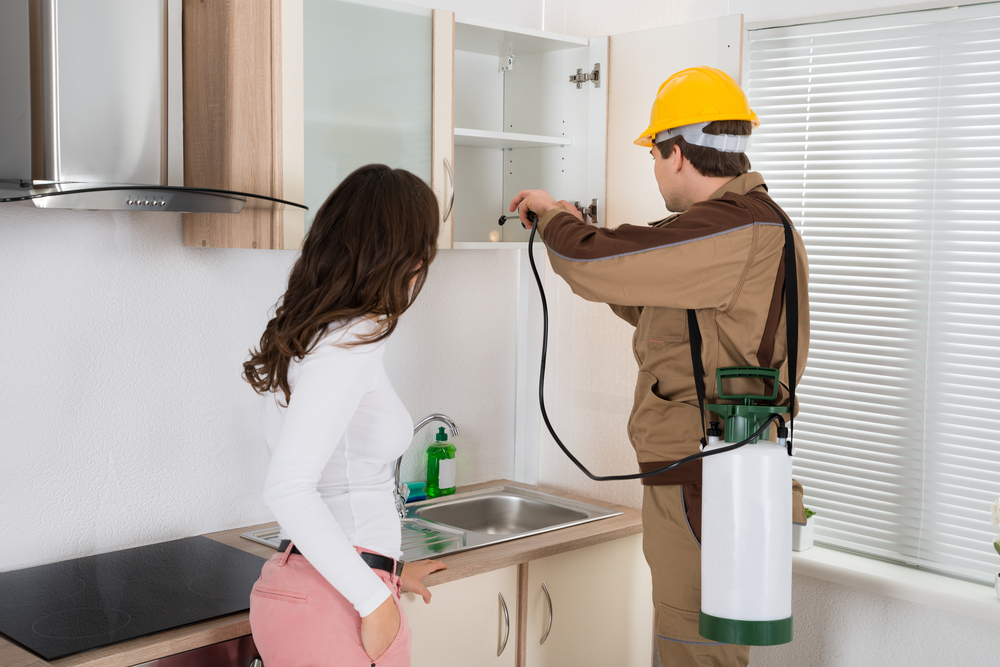

Discovering unwanted pests inside your home is a frustrating experience that requires immediate attention. Whether dealing with a sudden trail of ants across the kitchen counter, hearing scratching noises inside the walls, or spotting evidence of wood-damaging insects, homeowners face a critical choice: attempt a do-it-yourself fix or hire a professional extermination service.
Deciding between DIY methods and professional intervention involves evaluating cost, safety, convenience, and long-term effectiveness. While off-the-shelf treatments offer quick accessibility and lower upfront expenses, professional technicians bring specialized equipment, commercial-grade products, and deep knowledge of pest behavior. This comprehensive guide breaks down the benefits, drawbacks, financial considerations, and ideal scenarios for both approaches to help you make an informed decision for your household.
Understanding Do It Yourself Pest Control
Do-it-yourself pest control relies on consumer-grade products available at home improvement stores, garden centers, and online retailers. These remedies range from chemical sprays and bait stations to physical traps and natural deterrents.
When DIY Methods Make Sense
Attempting to resolve a pest problem independently is generally suitable when dealing with minor, localized, or seasonal issues. DIY methods are most effective under specific conditions:
-
Low Infestation Severity: Seeing a few stray ants in early spring or an occasional house spider does not necessarily indicate a structural or systemic infestation.
-
Accessible Target Areas: Pests restricted to visible, open surfaces are much easier to treat without specialized tools.
-
Routine Preventive Care: Applying basic sealant, replacing worn weather stripping, and setting up preventive bait stations around perimeter entries can successfully deter pests.
-
Immediate Budget Constraints: When finances are tight, spending a small amount on retail traps or sprays provides short-term relief for minor occurrences.
Common DIY Strategies and Products
Homeowners utilize a wide array of tools to manage household invaders:
-
Chemical Sprays and Foams: Aerosol insecticides provide instant contact kills for visible bugs but rarely reach hidden nests.
-
Bait Stations and Gel Baits: Designed to attract foraging pests like ants and cockroaches, allowing them to carry slow-acting poison back to the central colony.
-
Mechanical and Adhesive Traps: Snap traps, cage traps, and glue boards capture rodents and crawling insects without chemical exposure.
-
Natural and Organic Deterrents: Diatomaceous earth, essential oils like peppermint or cedarwood, and boric acid powder offer alternative non-synthetic control options.
Risks and Limitations of DIY Solutions
While DIY methods appear straightforward, they present several hidden drawbacks:
-
Treating Symptoms Instead of Causes: Eliminating visible bugs on a wall fails to neutralize hidden colonies inside drywall, crawl spaces, or attics.
-
Misapplication and Safety Hazards: Improperly applying chemical sprays or placing toxic baits near children and household pets poses serious health hazards.
-
Pest Resistance and Product Inefficacy: Retail products contain lower concentrations of active ingredients than commercial formulations, allowing resilient populations to survive and adapt.
-
Escalation of Damage: Ineffective DIY treatments buy time for invasive species like termites, carpenter ants, and bed bugs to multiply, escalating structural repair costs significantly.
Understanding Professional Pest Control
Professional pest management companies employ trained and certified technicians who follow Integrated Pest Management protocols. Rather than relying solely on high-volume chemical spraying, professionals focus on systematic inspection, accurate species identification, targeted treatments, and long-term exclusion strategies.
Scope of Professional Extermination Services
A licensed pest control service provides a structured, multi-phase approach tailored to your property:
-
Comprehensive Site Inspection: Technicians examine foundation cracks, utility penetrations, attic spaces, crawl spaces, and moisture zones to identify entry points, nesting locations, and environmental attractants.
-
Accurate Species Identification: Different species within the same insect family respond differently to specific baits and chemicals. Professionals accurately identify the exact pest variant to select the most effective solution.
-
Commercial-Grade Formulations: Exterminators hold licenses allowing them to handle micro-encapsulated concentrates, insect growth regulators, and specialized dusts unavailable to the general public.
-
Exclusion and Habitat Modification: Beyond chemical applications, professionals seal entry gaps with steel wool, copper mesh, and silicone sealant while offering recommendations to reduce moisture and food sources.
Benefits of Hiring Certified Professionals
Working with an established pest management company provides distinct advantages:
-
High Success and Eradication Rates: Targeted applications address pests at every developmental stage, destroying eggs, larvae, and adult populations.
-
Customized Treatment Plans: Technicians adjust treatments based on house construction, weather patterns, soil conditions, and household sensitivities.
-
Ongoing Guarantees and Maintenance: Most reputable pest companies offer quarterly service plans with free re-treatments if pests return between scheduled visits.
-
Time Savings and Convenience: Professional handling eliminates the time, guesswork, and frustration associated with repeated trips to the store for trial-and-error products.
Direct Comparison: Cost, Efficiency, and Safety
Comparing professional services directly against DIY tactics reveals key differences across primary evaluation criteria.
Initial vs Long-Term Financial Impact
From a short-term perspective, DIY solutions are significantly cheaper. Purchasing a package of ant bait stations or a bottle of spray costs very little initially. In contrast, an initial professional inspection and service visit costs considerably more, with recurring quarterly services adding to annual household expenses.
However, the financial evaluation shifts when treating destructive pests like termites, wood-boring beetles, or severe bed bug infestations. An unsuccessful DIY attempt can allow termites to cause thousands of dollars in structural timber damage. In these scenarios, investing in professional protection acts as financial insurance that prevents catastrophic home repair bills down the road.
Speed and Efficacy of Treatment
Retail products offer instant gratification for individual pests through contact sprays. However, eradication of entire colonies takes far longer or fails completely with DIY remedies.
Professionals utilize insect growth regulators that disrupt reproductive cycles along with non-repellent transfer chemicals. These advanced treatments allow foraging insects to carry active ingredients deep into the main nest, eliminating the entire population within a predictable timeframe.
Health, Safety, and Environmental Considerations
Handling concentrated pesticides without proper personal protective equipment increases the risk of accidental chemical exposure, skin irritation, and respiratory problems. Incorrect placement of rodent poison blocks can result in secondary poisoning if pets or wildlife consume affected rodents.
Professional technicians undergo rigorous safety training on application techniques, chemical dilution rates, and safety protocols. They know precisely where to apply treatments to minimize exposure to human occupants and non-target animals while maximizing impact on target pests.
Decision Matrix: Choosing the Right Approach for Specific Pests
Not all household pests warrant the same level of response. The optimal strategy depends on the biology, destructiveness, and reproductive capacity of the specific invader.
Rodents (Rats and Mice)
-
Approach: Hybrid or Professional
-
Details: Setting a few snap traps for a single mouse in a garage is manageable via DIY. However, widespread rodent activity requires professional exclusion work to block hidden entry points, sanitize contaminated insulation, and prevent health hazards associated with rodent droppings.
Termites and Wood-Boring Insects
-
Approach: Strictly Professional
-
Details: Termites cause extensive structural damage inside timber framing where retail products cannot reach. Liquid soil barriers, specialized foam injections, and professional monitoring stations are required to protect the integrity of the building.
Bed Bugs
-
Approach: Strictly Professional
-
Details: Bed bugs are exceptionally resilient, hide inside microscopic cracks, and develop rapid resistance to retail sprays. Professional heat treatments, steam protocols, and commercial desiccant dusts are necessary for complete eradication.
Ants and Cockroaches
-
Approach: DIY for Minor, Professional for Major
-
Details: Minor sugar ant trails in summer resolve quickly with retail gel baits. However, persistent German cockroach infestations or carpenter ant colonies nesting inside wall studs demand professional-grade baits and growth regulators.
Stinging Insects (Wasps and Hornets)
-
Approach: DIY for Low Nests, Professional for High or Hidden Nests
-
Details: Small wasp nests visible under low eaves can be treated at dusk using long-distance aerosol sprays. Nests located high on rooflines, inside wall cavities, or underground should be handled by professionals equipped with protective suits.
Frequently Asked Questions
How can homeowners prevent pests from entering the house during season shifts?
Seal foundation cracks and gaps around utility pipes using expandable foam and copper mesh. Replace worn weather stripping along exterior doors, repair damaged window screens, trim tree branches at least six feet away from rooflines, and keep gutters clean to eliminate standing moisture.
What should occupants do to prepare their house before a professional treatment?
Clear access along interior baseboards, remove pet food dishes and toys from floor areas, vacuum carpets thoroughly, and store uncovered food in airtight containers. For bed bug or flea treatments, launder all bedding in high heat and move furniture away from wall perimeters.
Are professional pest control chemical residues harmful to indoor air quality?
Modern professional treatments emphasize targeted low-odor formulations, gel baits, and localized crack-and-crevice applications rather than broadcast spraying. Once liquid treatments dry completely, which usually takes two to four hours, indoor air quality returns to safe levels for occupants and pets.
How long does it usually take for a professional pest control treatment to show full results?
Initial activity may actually increase for forty-eight to seventy-two hours following treatment as pests are flushed from hiding spots. Overall pest populations typically drop dramatically within one to two weeks, though systemic baits for ant or cockroach colonies may require up to three weeks for complete eradication.
Can professional pest control companies treat organic or eco-friendly households safely?
Yes, many professional companies offer eco-friendly service tiers that utilize botanical oils, plant-based compounds, biological controls, and mechanical barriers. These green treatments effectively control pests while maintaining strict safety standards for sensitive environments.
What signs indicate that an initial DIY attempt has failed and requires immediate professional intervention?
Key indicators include persistent pest sightings two weeks after product application, discovering damage on wooden structures or textiles, finding fresh droppings repeatedly, or noticing physical bites on household members during sleep.
Does home insurance typically cover structural damage caused by severe pest infestations?
Standard homeowners insurance policies rarely cover structural damage resulting from pest infestations, including termites, carpenter ants, or rodents. Insurance carriers classify pest damage as preventable home maintenance rather than a sudden accidental loss, making proactive pest management essential for protecting property value.
Comments are closed.