
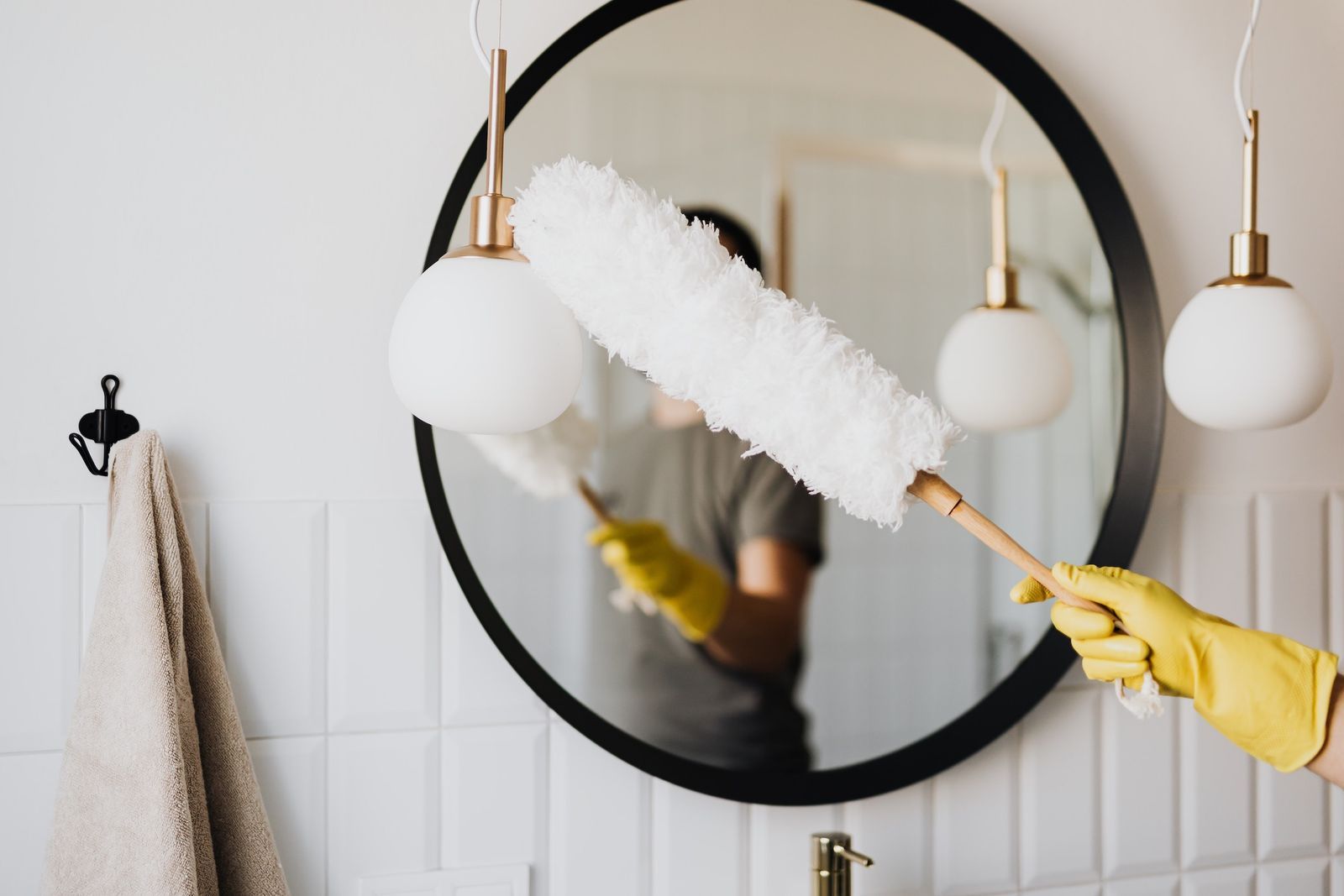

The bathroom is one of the most frequently used rooms in any home. Because it contains sinks, showers, bathtubs, and toilets, it naturally has more moisture than many other areas of the house. While regular cleaning helps keep the bathroom fresh, controlling moisture is equally important for pest control. A damp bathroom can attract unwanted pests, making it essential to maintain both cleanliness and proper ventilation.
Many household pests are drawn to places where water is easily available. Even a small plumbing leak or excess humidity can create an environment where pests are more likely to remain. By keeping the bathroom clean and dry, homeowners can make the space far less appealing to insects and other unwanted visitors.
One of the first steps is checking for plumbing leaks. Faucets, showerheads, toilet connections, and pipes beneath the sink should be inspected regularly. A slow leak may seem minor, but over time it can create constant moisture inside cabinets or behind fixtures. Repairing leaks promptly is one of the simplest ways to improve pest control.
Ventilation also plays an important role. Bathrooms often become humid after showers or baths, especially if there is limited airflow. Using an exhaust fan or opening a window when possible helps reduce humidity and allows moisture to dry more quickly. Better ventilation creates a healthier indoor environment while making it more difficult for pests to thrive.
Cleaning bathroom surfaces regularly is another essential habit. Soap residue, toothpaste, hair, and standing water should be removed from sinks, countertops, and shower areas. Keeping these surfaces dry reduces moisture while improving overall cleanliness.
Simple bathroom habits that support pest control include:
- Repair leaking faucets and plumbing fixtures immediately.
- Use proper ventilation after showers to reduce humidity.
- Wipe sinks, counters, and shower areas dry after use.
Bathroom cabinets should also be inspected regularly. Cleaning products, toiletries, and personal care items should remain neatly organized, making it easier to notice signs of moisture or pest activity. Removing unnecessary clutter creates fewer hiding places and allows better airflow.
The area beneath the bathroom sink deserves special attention. Plumbing connections are often hidden inside cabinets, making small leaks difficult to notice. Homeowners should inspect this area every few weeks to check for water stains, dampness, or unusual odors that may indicate moisture problems.
Bathroom floors should be cleaned and dried regularly. Water that collects around the bathtub, shower, or sink should not be allowed to remain for extended periods. Dry floors reduce the availability of moisture while helping prevent slippery surfaces.
Drains should also be maintained as part of a regular cleaning routine. Hair, soap residue, and debris can build up over time, affecting drainage and creating unpleasant odors. Keeping drains clean supports both hygiene and effective pest control.
Storage habits matter as well. Towels should be hung to dry properly after use instead of being left damp on the floor. Wet bath mats should also be cleaned and dried regularly to prevent moisture from accumulating.
Windows and doors should be checked periodically for gaps or damaged seals. Moisture entering through poorly sealed windows can contribute to damp conditions inside the bathroom. Repairing these issues supports both home maintenance and pest prevention.
Seasonal weather changes may also affect bathroom moisture levels. During rainy seasons or periods of high humidity, homeowners should pay extra attention to ventilation and drying surfaces after use. Consistent moisture control helps prevent pest problems regardless of the season.
Routine inspections are valuable in every bathroom. Looking behind the toilet, around the bathtub, under the sink, and near plumbing connections allows homeowners to identify leaks or early signs of pest activity before they become serious.
Professional pest control inspections can also be beneficial if homeowners notice recurring pest activity despite maintaining a clean bathroom. Specialists can identify hidden moisture issues or entry points that may not be obvious during everyday cleaning.
In conclusion, keeping the bathroom clean and dry is an important part of successful pest control. Prompt plumbing repairs, proper ventilation, organized storage, regular cleaning, and routine inspections all help reduce the moisture that attracts pests. By making these simple practices part of everyday home care, homeowners can maintain a healthier, fresher, and more comfortable bathroom while reducing the risk of unwanted pest activity.
Comments are closed.