
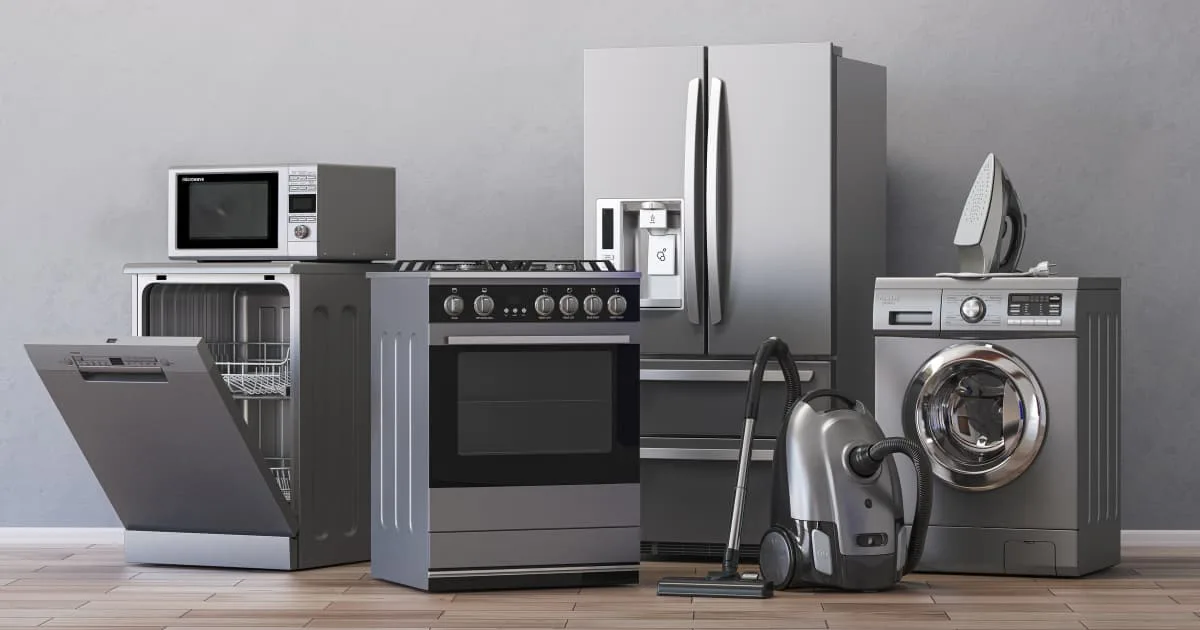

The Complete Guide to Home Appliances
Home appliances play a central role in improving comfort, efficiency, and daily convenience. From essential kitchen machines to advanced smart devices, modern households rely on a wide range of tools designed to simplify everyday routines. Understanding how these appliances work and what features to look for can help you make smarter, long-lasting investments.
Understanding the Role of Home Appliances
Home appliances are categorized based on their functions—cooking, cleaning, cooling, heating, and personal care. Each plays a unique part in managing household tasks, ensuring safety, and enhancing energy efficiency.
Major Types of Household Appliances
Kitchen Appliances
Kitchen appliances are some of the most frequently used devices in any home.
- Refrigerators help preserve food by maintaining optimal cooling temperatures.
- Microwaves and ovens make meal preparation quicker and more diverse.
- Dishwashers offer labor-saving cleaning performance.
- Blenders and mixers assist with food preparation tasks such as chopping, blending, and kneading.
Laundry Appliances
Laundry solutions have evolved to offer better fabric care and energy savings.
- Washing machines now include load sensors, steam cleaning, and eco-wash cycles.
- Dryers can feature moisture sensors to prevent over-drying and energy waste.
- Washer-dryer combos are ideal for small apartments or compact laundry rooms.
Heating and Cooling Appliances
Comfort appliances maintain indoor temperature for improved living conditions.
- Air conditioners help manage heat and humidity.
- Space heaters provide warmth during cold seasons.
- Fans and air purifiers improve airflow and indoor air quality.
Cleaning Appliances
Modern cleaning appliances reduce manual efforts significantly.
- Vacuum cleaners now come in upright, canister, handheld, and robotic forms.
- Steam cleaners sanitize floors and upholstery using high-temperature steam.
- Pressure washers help deep-clean outdoor surfaces.
Personal and Smart Appliances
Technology advancements have introduced new appliances designed for health and convenience.
- Electric toothbrushes, hair dryers, and grooming tools support personal care routines.
- Smart home devices like voice-controlled assistants and smart thermostats enhance automation and user control.
Key Features to Consider When Buying Appliances
Energy Efficiency
Choosing appliances with high energy ratings reduces utility costs and environmental impact. Look for eco-friendly modes, inverter motors, and low-consumption technologies.
Durability and Build Quality
High-quality components ensure longer product life. Stainless steel, reinforced plastics, and reliable brand manufacturing contribute to better performance.
Smart Features and Connectivity
Wi-Fi-enabled devices offer app controls, diagnostics, and scheduling capabilities, making appliance management more intuitive.
Capacity and Size
Always match appliance capacity to household size. Larger families require bigger refrigerators, washing machines, and dishwashers, while compact options suit smaller spaces.
Ease of Maintenance
Appliances with removable parts, self-cleaning functions, and accessible filters reduce maintenance effort and extend usability.
Maintaining Home Appliances for Longer Lifespan
Regular maintenance helps appliances remain efficient and safe.
- Clean filters in air conditioners, dryers, and vacuum cleaners frequently.
- Defrost freezers to prevent ice buildup.
- Check hoses and wiring for wear and tear.
- Run descaling cycles on appliances exposed to mineral-rich water.
- Schedule periodic servicing for complex systems like HVAC units.
Why Investing in Quality Appliances Matters
Quality appliances contribute to better home management, improved comfort, and long-term cost savings. They offer reliable performance, energy efficiency, and enhanced safety features. Making informed choices ensures your home functions smoothly while reducing maintenance hassles.
Frequently Asked Questions (FAQs)
1. How long do most home appliances typically last?
Lifespan varies by type, but most major appliances last between 8 and 15 years with proper maintenance.
2. What factors influence an appliance’s energy consumption?
Energy rating, motor type, usage patterns, and appliance age significantly impact consumption.
3. Are smart appliances worth the investment?
They can be, especially for households seeking automation, remote monitoring, and energy-saving features.
4. How often should I service my HVAC system?
Professional servicing once or twice a year is recommended to maintain peak efficiency.
5. What is the difference between inverter and non-inverter appliances?
Inverter appliances adjust power output based on demand, offering quieter operation and better energy efficiency.
6. How can I tell if an appliance needs replacement?
Frequent breakdowns, rising energy bills, and reduced performance are clear indicators.
7. Should I choose stainless-steel appliances for durability?
Yes, stainless steel provides better resistance to corrosion, stains, and wear.
Comments are closed.