
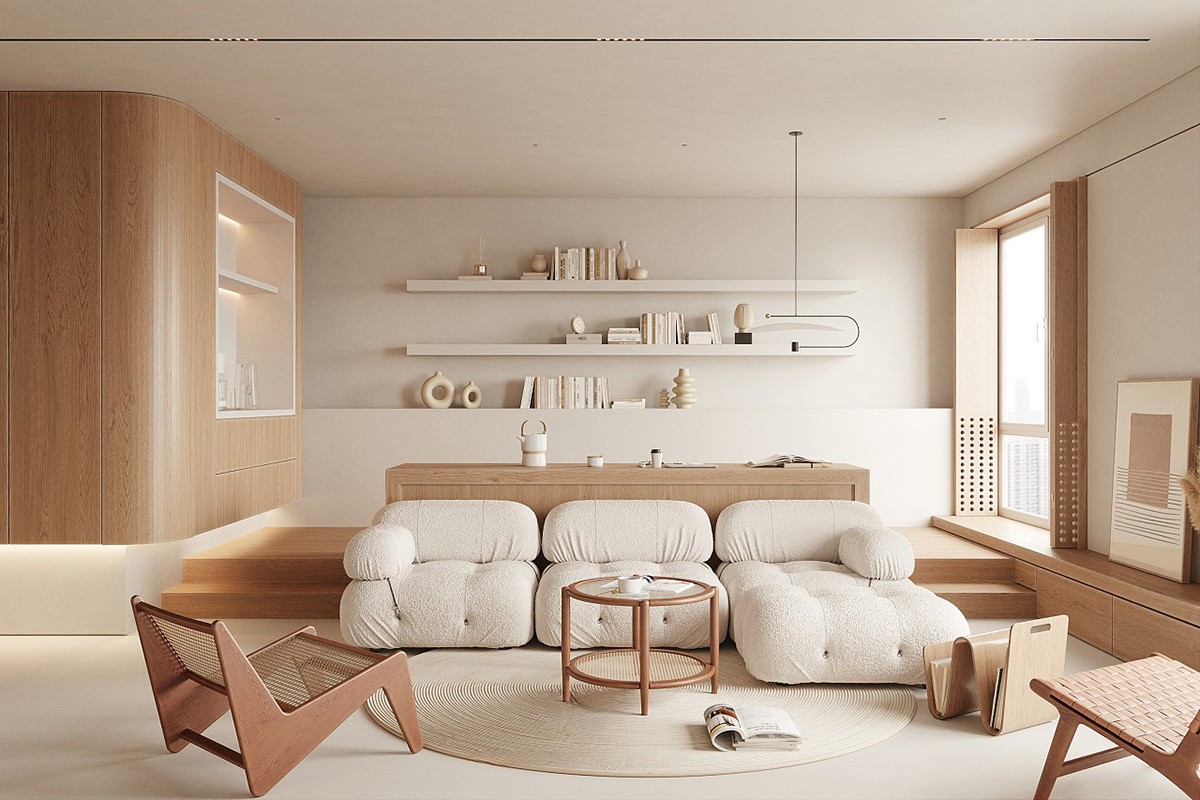

Introduction
Interior design is more than arranging furniture or choosing colors—it’s a thoughtful process that blends style, comfort, and functionality. A well-designed space enhances everyday living, supports well-being, and expresses personal identity. Whether you’re redesigning a single room or revamping an entire home, understanding the fundamentals helps you make confident decisions.
What Is Interior Design?
Interior design is the art and science of transforming an interior space to make it functional, visually appealing, and harmonious. It involves elements such as layout planning, color psychology, lighting, materials, and decorative accents.
Core Aspects of Interior Design
- Functionality — ensuring each space serves its intended purpose.
- Aesthetics — creating visually pleasing settings.
- Comfort — designing for physical and emotional ease.
- Safety — selecting layouts and materials that meet safety standards.
- Sustainability — choosing eco-friendly finishes and practices.
Key Principles of Interior Design
Balance
Balance distributes visual weight within a room. It can be:
- Symmetrical: mirror-like arrangements for a formal feel.
- Asymmetrical: varied placements that still feel cohesive.
- Radial: components arranged around a central focal point.
Harmony and Unity
Colors, textures, and shapes should complement each other to form a cohesive atmosphere.
Contrast
Effective contrast—light vs. dark, smooth vs. rough, modern vs. vintage—adds visual interest.
Rhythm
Repetition of patterns, colors, or shapes guides the eye smoothly through the room.
Scale and Proportion
Furniture and decor should be appropriately sized relative to the room’s dimensions.
Popular Interior Design Styles
Modern
Clean lines, open spaces, and neutral tones define this style. It emphasizes simplicity and functionality.
Minimalist
Inspired by the “less is more” philosophy, it prioritizes uncluttered spaces, essential furnishings, and restrained color palettes.
Scandinavian
Characterized by light woods, soft neutrals, and cozy accents, this style blends simplicity with warmth.
Industrial
Exposed brick, metal fixtures, and raw materials highlight a warehouse-inspired aesthetic.
Traditional
Rich colors, elegant patterns, and classic furniture create a timeless and sophisticated setting.
Bohemian
A relaxed, eclectic mix of patterns, colors, and textures ideal for artistic expression.
Essential Elements to Consider
Color Palette
Colors influence mood. For example:
- Warm shades energize.
- Cool tones create calm.
- Neutral hues provide flexibility.
Lighting
A well-designed space layers three types of lighting:
- Ambient: overall illumination.
- Task: focuses on work areas.
- Accent: highlights features like artwork.
Furniture Selection
Choose furniture that fits the room scale, supports comfort, and matches your lifestyle.
Textures and Materials
Layering textures—wood, metal, fabric, stone—adds depth and tactile interest.
Decor and Accessories
Plants, artwork, mirrors, and textiles personalize a home and elevate its character.
Tips for Designing Your Space
Maximize Natural Light
Use sheer curtains, reflective surfaces, and open layouts to enhance brightness.
Plan Traffic Flow
Keep pathways clear to maintain functionality and comfort.
Invest in Key Pieces
A statement sofa, lighting fixture, or dining table can set the tone for the entire room.
Mix Old and New
Pair vintage finds with modern elements for a curated and unique look.
Stay True to Your Style
Trends come and go, but spaces feel best when they reflect your personality.
Conclusion
Interior design is a balance of creativity and practicality. With an understanding of design principles, style options, and thoughtful planning, anyone can transform a home into a beautiful and functional sanctuary. Great interiors don’t just look good—they feel right, support daily routines, and tell your story.
FAQs
1. What’s the difference between interior design and interior decorating?
Interior design involves structural planning and functionality, while decorating focuses mainly on aesthetics and accessories.
2. How do I choose the best color scheme for my home?
Start with colors that match your mood preferences, then consider lighting, room size, and existing furnishings.
3. Is hiring an interior designer worth it?
A designer can optimize layout, avoid costly mistakes, and ensure a cohesive look—especially helpful for large projects.
4. What is the most budget-friendly way to update a room?
Changing paint, adding new lighting, or updating textiles like rugs and curtains can make a big impact at low cost.
5. How can I make a small room feel bigger?
Use light colors, multi-functional furniture, mirrors, and vertical storage solutions to create a spacious effect.
6. What lighting works best for living rooms?
A mix of ambient, task, and accent lighting creates dimension and versatility for different activities.
7. How do I choose the right furniture size?
Measure the room, create a layout plan, and select pieces proportional to the available space to avoid overcrowding.
If you’d like, I can create additional articles, expand this one, or tailor the style for a specific audience or niche.
Comments are closed.