
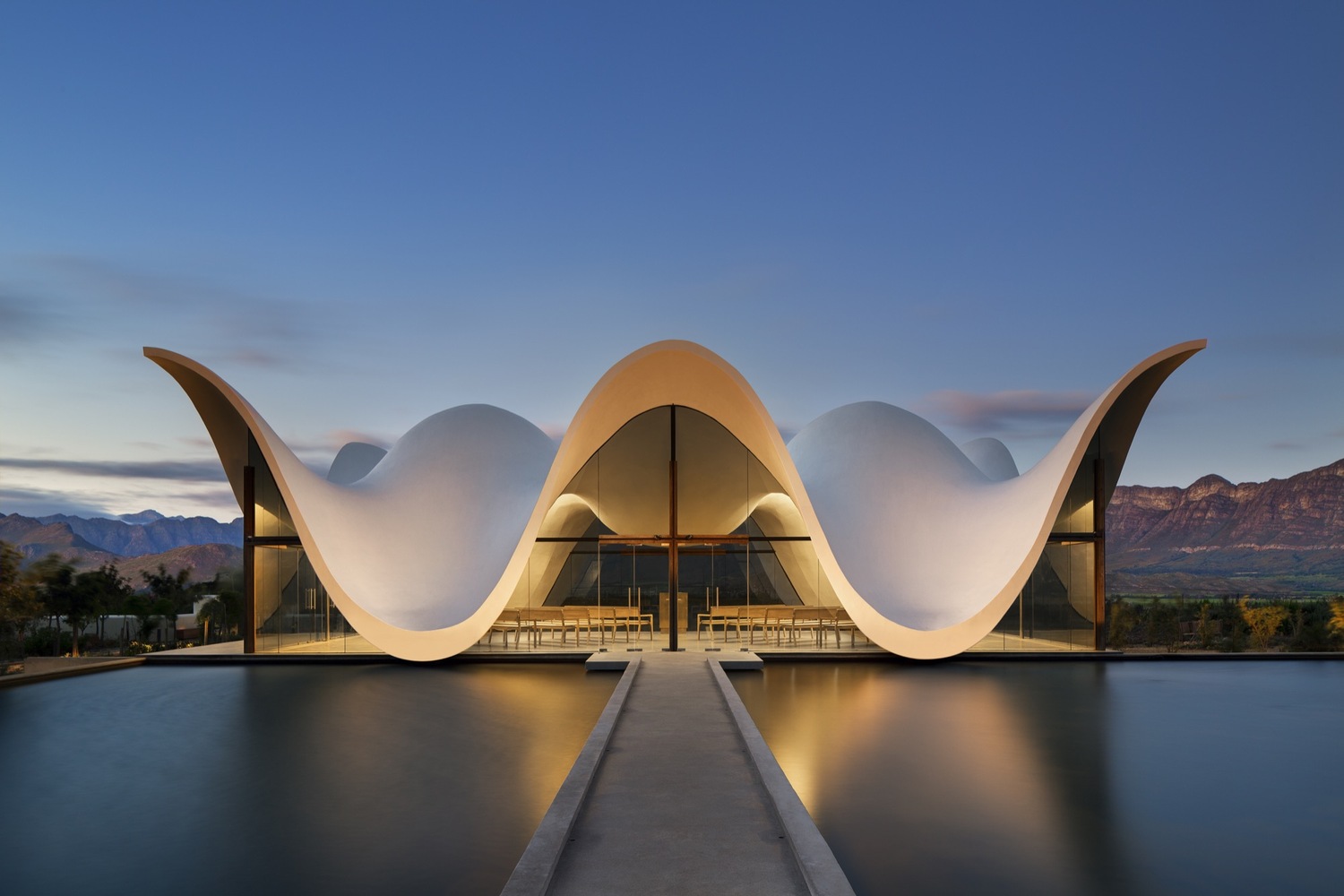

Introduction to Modern Architecture
Architecture shapes the way people live, interact, and perceive spaces. Modern architecture in particular has transformed skylines, introduced innovative materials, and redefined how functionality meets aesthetic appeal. It reflects cultural values, technological advancements, and environmental awareness, making it one of the most influential creative disciplines in the world.
The Evolution of Architectural Thought
Architecture has evolved from ancient stone structures to digitally engineered masterpieces. Each era introduced its own principles:
- Classical architecture emphasized symmetry and proportion.
- Gothic design showcased verticality and ornate detailing.
- Renaissance architecture revived classical ideas with renewed precision.
- Modernism broke away from ornamentation, prioritizing pure form and function.
This progression reveals how architecture continuously adapts to changing human needs and technological capabilities.
Core Principles of Modern Architecture
1. Function Over Ornament
Modern design focuses on purpose. Buildings are created to serve the needs of their occupants, reducing unnecessary decorative elements.
2. Open and Flexible Spaces
Open-floor concepts promote movement, light flow, and multi-use functionality—key elements in residential and commercial construction today.
3. Use of Modern Materials
Materials such as:
- Steel
- Reinforced concrete
- Large glass panels
help achieve structural strength, minimalism, and expansive views.
4. Integration With the Environment
Designers increasingly pursue harmony with nature through:
- Strategic orientation
- Sustainable materials
- Energy-efficient features
This approach gives rise to greener, more efficient buildings.
5. Clean Lines and Geometric Forms
Rectilinear shapes, smooth surfaces, and simple silhouettes define the modern architectural aesthetic.
Major Styles Within Modern Architecture
Minimalist Architecture
Characterized by simplicity, uncluttered interiors, and an emphasis on essential elements. This style highlights calmness and purity in design.
Brutalism
Known for raw concrete surfaces and monumental forms, Brutalism communicates boldness and solidity, often used in institutional structures.
High-Tech Architecture
Features visible structural elements, metal frameworks, and industrial materials—celebrating engineering as art.
Sustainable Architecture
Focuses on reducing environmental impact through:
- Renewable energy systems
- Eco-friendly materials
- Low-carbon design strategies
Impact of Architecture on Society
Architecture influences how communities develop, how people experience space, and how cities evolve. Well-designed environments can enhance wellbeing, improve productivity, and foster social connections.
Key areas of impact include:
- Urban development and planning
- Cultural identity and heritage
- Environmental sustainability
- Innovation through digital technologies (BIM, 3D printing, AI-assisted design)
Each structure contributes to a broader ecosystem of human interaction and environmental balance.
The Future of Architecture
Emerging technologies and sustainability goals are shaping the next generation of design. Trends include:
- Smart buildings with automated systems
- Carbon-neutral construction methods
- Mixed-use urban developments
- Adaptive reuse of older structures
- Increasing reliance on data-driven design tools
The future points toward efficiency, resilience, and meaningful human-centered spaces.
FAQs
1. What defines modern architecture compared to traditional styles?
Modern architecture emphasizes functionality, simplicity, and new materials, unlike traditional styles that focus heavily on ornament and historical references.
2. How does architecture influence daily life?
It affects comfort, productivity, safety, and emotional wellbeing by shaping the spaces people inhabit.
3. What materials are most common in contemporary architecture?
Steel, glass, concrete, and sustainable materials such as engineered timber are widely used.
4. Why is sustainability important in architecture?
It minimizes environmental impact, reduces energy consumption, and promotes long-term resilience in buildings.
5. What role does technology play in modern architectural design?
Tools like 3D modeling, BIM, and AI enable precision, efficiency, and innovative structural solutions.
6. How do architects integrate nature into their designs?
Through natural light optimization, green roofs, courtyards, and eco-friendly materials that blend with the environment.
7. What is the significance of minimalism in architecture?
Minimalism promotes clarity, calmness, and enhanced functionality by focusing on essential forms and materials.
Comments are closed.