
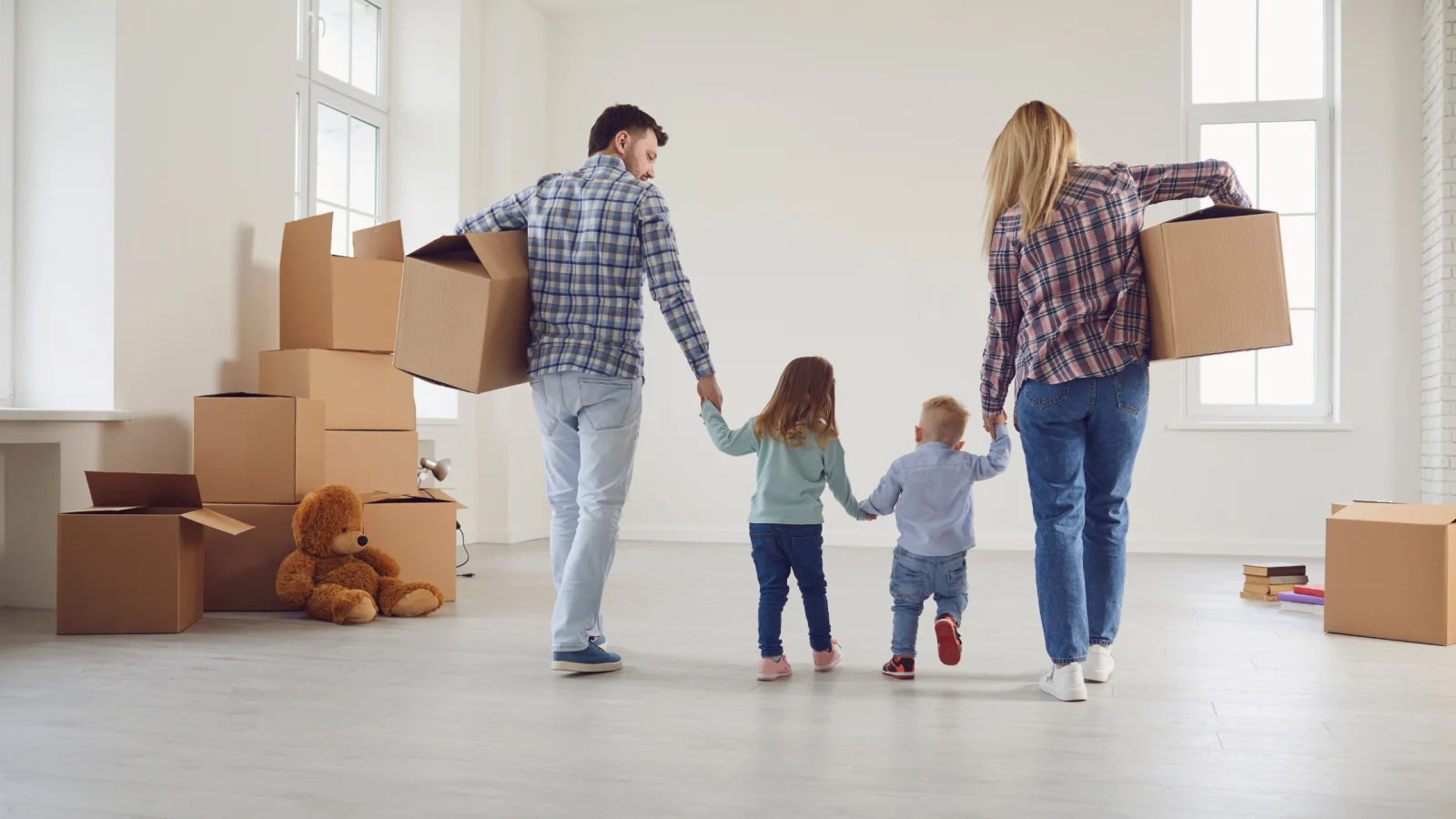

Moving house is a major life event, and without proper planning, it can quickly become overwhelming. From packing to paperwork, each step requires attention and organization. This step-by-step guide to moving house without stress breaks the process into manageable stages, helping you stay calm, in control, and confident throughout your move.
Step 1: Plan Your Move Early
Early planning is the foundation of a stress-free move. The more time you give yourself, the fewer rushed decisions you’ll have to make.
Start by:
- Choosing a realistic moving date
- Creating a moving timeline
- Setting a clear budget for the move
- Listing all tasks that need to be completed
Having a written plan helps you stay focused and prevents last-minute chaos.
Step 2: Declutter Before You Pack
Packing items you no longer need only adds unnecessary work and expense.
Decluttering tips:
- Sort belongings into keep, donate, sell, and discard categories
- Be honest about what you actually use
- Reduce bulky or duplicate items
- Donate usable items early to avoid clutter
A lighter load means faster packing and lower moving costs.
Step 3: Organize Packing Supplies
Being properly equipped makes packing smoother and safer.
Essential packing supplies include:
- Sturdy boxes in various sizes
- Packing tape and markers
- Bubble wrap or packing paper
- Labels or color-coded stickers
Keep all supplies in one place so packing sessions stay efficient.
Step 4: Pack Strategically, Not Randomly
Packing room by room keeps things organized and simplifies unpacking later.
Best practices for stress-free packing:
- Pack non-essential items first
- Label every box with room name and contents
- Wrap fragile items individually
- Avoid overloading boxes
Pack heavier items at the bottom and lighter ones on top to prevent damage.
Step 5: Take Care of Paperwork and Utilities
Administrative tasks can easily be forgotten during a move.
Make sure to:
- Update your address with banks and subscriptions
- Arrange utility disconnections and connections
- Transfer medical, school, or work records
- Keep important documents in a secure folder
Completing these steps early avoids service interruptions after moving.
Step 6: Prepare a Moving Essentials Kit
Your essentials kit ensures comfort during the first 24–48 hours.
Include items such as:
- Toiletries and medications
- Phone chargers and power banks
- Important documents
- Snacks, water, and basic kitchen items
- A change of clothes
This saves you from digging through boxes on your first night.
Step 7: Stay Calm and Focused on Moving Day
Moving day can feel hectic, but staying organized keeps stress levels low.
On the day itself:
- Start early and stick to your schedule
- Keep valuables and essentials with you
- Communicate clearly with movers
- Do a final walkthrough before leaving
Accept that small delays may happen and focus on steady progress.
Step 8: Settle Into Your New Home Gradually
Unpacking doesn’t need to be rushed. Take it one step at a time.
After the move:
- Unpack essential rooms first
- Check furniture and boxes for damage
- Arrange furniture before fully unpacking
- Take breaks to avoid burnout
Turning your new space into a comfortable home takes time, and that’s okay.
Common Causes of Moving Stress and How to Avoid Them
Understanding stress triggers helps you manage them better.
Common causes include:
- Poor time management
- Overpacking or underpacking
- Lack of clear communication
- Unrealistic expectations
Preparation and flexibility are the best tools for reducing stress.
FAQs
1. How far in advance should I start planning a house move?
Ideally, planning should begin 6–8 weeks before moving day to allow time for organizing and packing.
2. What’s the best way to stay organized during a move?
Use labeled boxes, a checklist, and a dedicated folder for documents and receipts.
3. How can I reduce emotional stress during a move?
Break tasks into small steps, take regular breaks, and focus on the positive aspects of your new home.
4. Is it better to pack everything myself or get professional help?
This depends on your budget, schedule, and comfort level. Professionals save time, while DIY packing offers more control.
5. What should I do if moving plans change unexpectedly?
Stay flexible, adjust your timeline, and prioritize essential tasks to stay on track.
6. How can I make unpacking less overwhelming?
Unpack one room at a time and start with essentials like the kitchen and bedroom.
7. How long does it usually take to feel settled after moving?
Most people feel settled within a few weeks, once routines are established and key rooms are organized.
Moving house doesn’t have to be stressful. With thoughtful planning, clear organization, and realistic expectations, you can turn your move into a smooth and positive experience.
Comments are closed.