
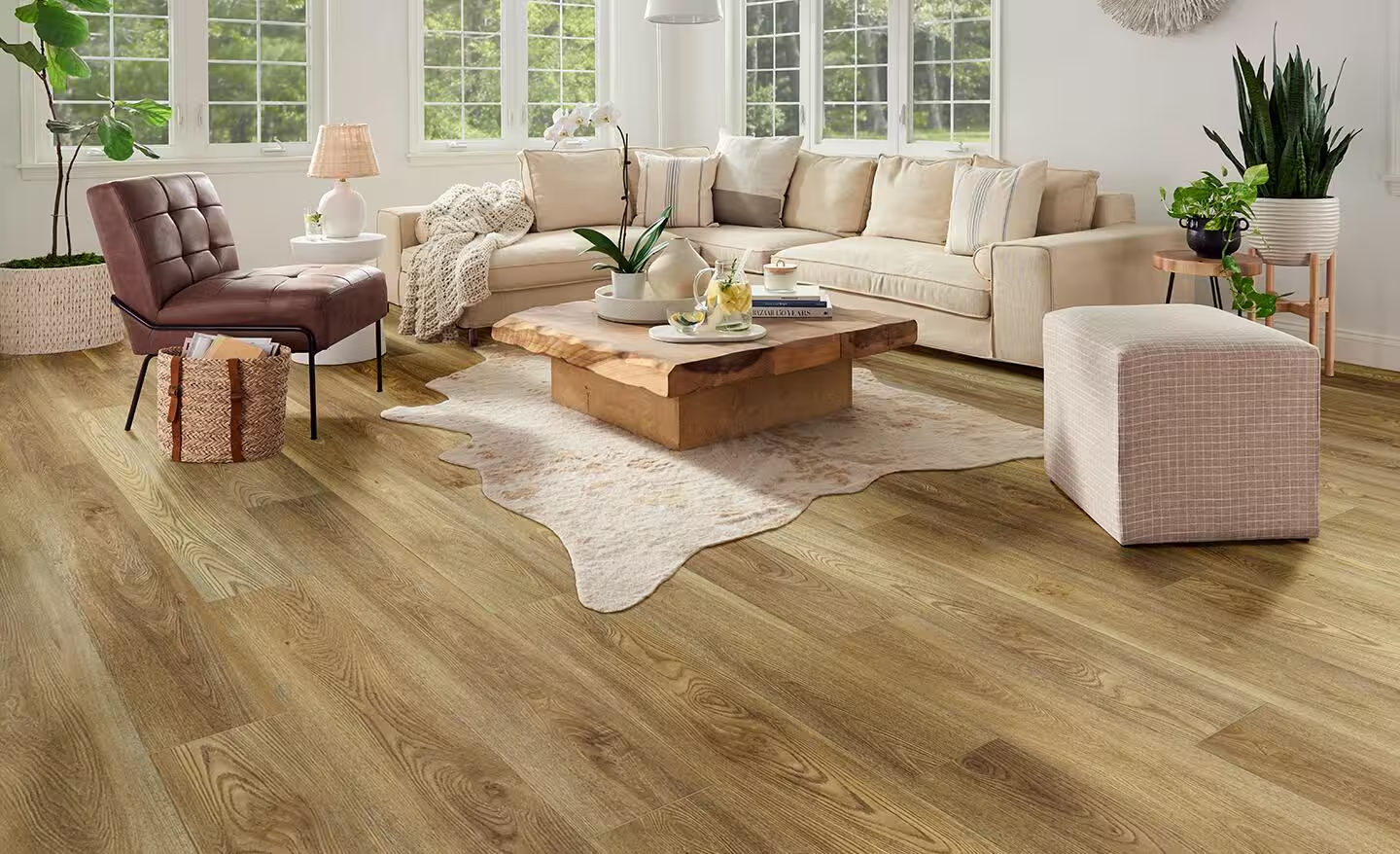

Choosing the right flooring is one of the most impactful design decisions for any home or commercial space. Each material offers unique advantages, durability levels, maintenance needs, and visual appeal. Understanding the characteristics of different flooring types will help you select surfaces that align with your lifestyle, budget, and long-term expectations.
Hardwood Flooring
Hardwood remains one of the most sought-after flooring choices for its natural beauty and long-lasting performance.
Benefits
- Adds warmth and character to interiors
- Can be refinished multiple times
- Increases property value
Best Uses
- Living rooms
- Bedrooms
- Dining spaces
Maintenance Notes
Keep floors dry, sweep frequently, and use protective pads under furniture.
Laminate Flooring
Laminate offers the look of wood or tile at a budget-friendly price, thanks to its layered synthetic construction.
Benefits
- Resistant to scratches and dents
- Easy installation with click-lock systems
- Wide range of styles and finishes
Best Uses
- Hallways
- Playrooms
- Bedrooms
Maintenance Notes
Clean with a dry or slightly damp mop; avoid standing water.
Vinyl Flooring
Vinyl has grown in popularity due to advanced manufacturing techniques that improve its resilience and realism.
Benefits
- Highly water-resistant
- Soft and comfortable underfoot
- Affordable and durable
Best Uses
- Kitchens
- Bathrooms
- Laundry rooms
Maintenance Notes
Mild cleaning solutions work best; avoid abrasive tools.
Tile Flooring
Tile flooring, available in ceramic or porcelain, is prized for its strength and design versatility.
Benefits
- Excellent water and stain resistance
- Ideal for high-traffic areas
- Wide range of colors, patterns, and sizes
Best Uses
- Bathrooms
- Entryways
- Kitchens
Maintenance Notes
Clean grout lines regularly to prevent discoloration.
Carpet Flooring
Carpet provides warmth, comfort, and noise reduction, making it ideal for cozy living spaces.
Benefits
- Soft texture and insulation
- Excellent for sound absorption
- Available in numerous styles and fibers
Best Uses
- Bedrooms
- Family rooms
- Home offices
Maintenance Notes
Vacuum frequently and schedule periodic deep cleaning.
Engineered Wood Flooring
Engineered wood combines a hardwood veneer with layered plywood for enhanced stability.
Benefits
- Less prone to warping than solid wood
- Suitable for areas with humidity changes
- Offers the authentic look of wood
Best Uses
- Basements
- Condos
- Living spaces
Maintenance Notes
Treat similarly to hardwood; avoid excessive moisture.
Stone Flooring
Natural stone surfaces—such as marble, granite, or slate—create a luxurious, long-lasting foundation.
Benefits
- High durability and natural variation
- Unique textures and patterns
- Enhances upscale interiors
Best Uses
- Foyers
- Bathrooms
- Outdoor areas
Maintenance Notes
Seal periodically and clean with pH-neutral products.
FAQs
1. Which flooring type lasts the longest?
Natural stone and hardwood often offer the longest lifespan when properly maintained.
2. What is the best flooring for homes with pets?
Vinyl and laminate handle scratches, spills, and high activity levels exceptionally well.
3. Is engineered wood a good alternative to solid hardwood?
Yes, it provides similar aesthetics with improved moisture resistance and stability.
4. Which flooring is the easiest to clean?
Tile and vinyl are among the easiest, requiring only simple sweeping and mopping.
5. Can carpet be used in high-traffic spaces?
It can, but low-pile or commercial-grade carpets perform better in busy areas.
6. What flooring is best for moisture-prone areas?
Porcelain tile and vinyl flooring are excellent options for wet or humid rooms.
7. How do I choose flooring for an open-concept layout?
Select a material with consistent coloring and grain to maintain visual continuity and flow.
Comments are closed.